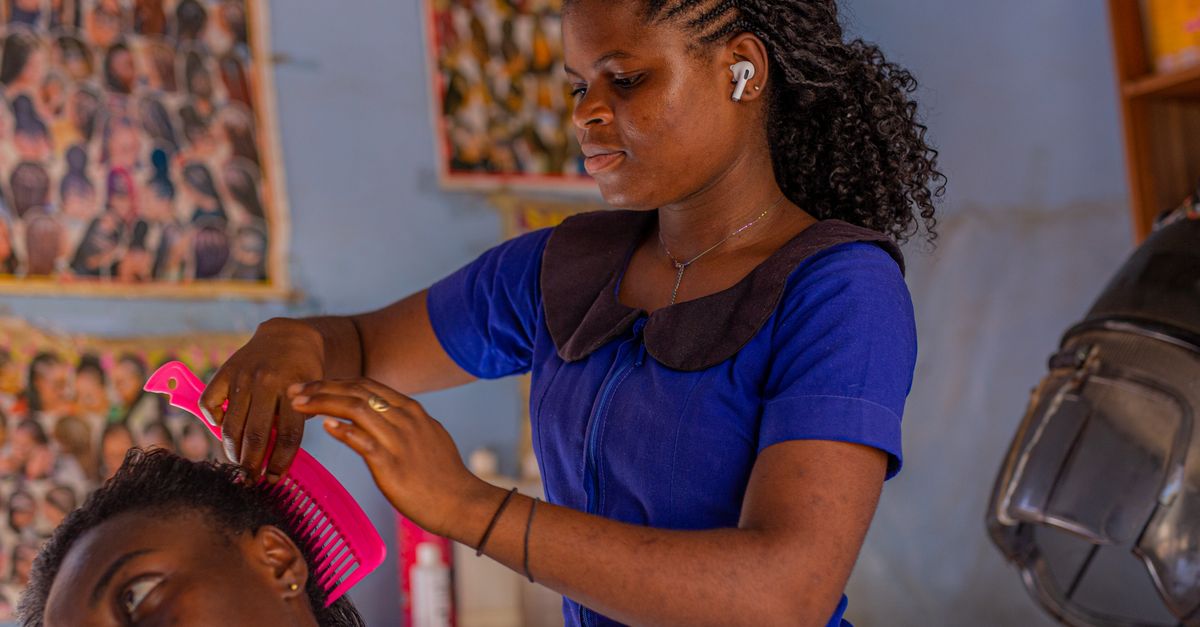
Every October the conversation in the chair shifts. "I'm finding so much hair in my brush, is that normal?" In many salons the question gets a reassuring smile and nothing more, and the client goes home with a supermarket shampoo. That is a missed opportunity. Handled well, this is one of the most valuable consultation moments of the season: it deepens the client's trust in you and can turn into a regular care programme that keeps your chairs busy through November and December.
What follows is a practical guide to responding to autumn shedding concerns, documenting a clear starting point with hair analysis, and turning that into a treatment programme you can track and that actually pays.
Is seasonal shedding real, and where does the salon fit in?
Plenty of people notice more hair in their brush, on the pillow and in the shower at the end of summer and in early autumn. Sun, sea water, chlorine and frequent heat styling put strain on the hair over the summer months, and by autumn that fatigue becomes visible. The increase is often temporary, but it worries clients, and they expect a professional to take it seriously.
The boundary matters here. Diagnosing the medical cause of hair loss is a dermatologist's job. The salon's role is to assess the visible condition of the hair and scalp, correct care and styling habits, offer consistent follow-up and refer the client to a doctor when needed. Saying this out loud does not weaken your authority. It shows the client you are recommending the right solution, not just a product.
Tip: If you see patchy thinning, sudden heavy shedding, itching or redness, recommend a dermatologist check-up before suggesting any package, and record that recommendation on the client profile.
The first consultation: turn a worry into data
"My hair is falling out" is not something you can measure. Before proposing a programme, record where the client is starting from. A structured ten-minute consultation is usually enough:
- Duration and intensity: How long have they noticed it, and where do they see it most (brush, pillow, shower)?
- Services in the last six months: Lightening, colour, keratin, frequent blow-drys or curling irons?
- Home care: Shampoo, masks, heat protection and how often they wash.
- Lifestyle: Any stress, sleep or diet changes the client mentions themselves. Note them without comment.
- Photos: Crown, front hairline and ends, in the same light and from the same angles.
This is where hair analysis makes your job easier. In sysSalon you can run an AI hair analysis from a photo to assess hair type and hair health, then hand the client the result as a PDF report. The report is not a diagnosis, but it gives you a concrete reference point, "this is where we started", and lets you compare at the check-up four to six weeks later. Keeping the photos and consultation notes on the client profile means nothing gets lost, even if a colleague takes the next session.
From analysis to programme: build the session plan
A single treatment rarely satisfies a client who is anxious about shedding; in a seasonal phase, change shows over weeks. So link the analysis result to a clear programme.
A sample six-week autumn programme
- Week 1: Consultation, analysis, scalp cleanse and nourishing treatment, plus a written home-care routine.
- Weeks 2 to 5: A weekly scalp treatment and massage, with a pause on heavy heat and chemical services.
- Week 6: Follow-up photos, a second analysis, comparison of both reports and a decision on next steps.
Pricing it as a package rather than single sessions gives both sides clarity. Say a treatment costs €40 per session, and you offer four sessions for €144 instead of €160. If 20 clients join in October and November, that is €2,880 of revenue, most of it booked in advance. And each visit is a natural opening for colour, cuts and blow-drys.
In sysSalon you can sell the programme as a multi-session package with a discount and split payments. Every session is tracked as used, scheduled or remaining, so "How many sessions do I have left?" never turns into a debate. Booking all the sessions in one go on the calendar on day one noticeably improves completion rates.
Follow-up: don't let clients drop out halfway
Care programmes tend to lose people after the third session: the client doesn't notice progress, or a busy week gets in the way. A few simple habits prevent most of that:
- At the end of every session, confirm with the client that the next appointment is in the diary.
- Add a short note to the client profile about what you observed in each session.
- At session three, open the first photo together. Seeing even a small difference lifts motivation.
- If a client cancels, move them to a new slot the same day rather than leaving the session hanging.
Explain your no-show policy when you sell the package. In sysSalon a missed session can be marked "Forfeited" (deducted) or "No-show" (returned to the package), so instead of negotiating every time, you simply apply the rule you agreed at the start.
Retail: link home care to results, not to a sales push
Much of the programme's success depends on what the client does at home. Base your home-care advice on the analysis and the consultation notes. "This serum suits your hair type and how often you wash" is far more convincing than pointing at the shelf, and it feels like advice rather than selling.
Keep an eye on the cost of the serums and masks you use in session, too. If you enter the cost on the service and deduct the product from stock, you can see what the package really earns. For example, if each session uses €6 of product, factoring that in when you set the discount keeps you away from a promotion that loses money.
Quick checklist for the team
- Is there a standard consultation flow for shedding concerns?
- Are the starting photo and analysis result saved on the client profile?
- Does every team member know the signs that call for a medical referral?
- Were all package sessions booked on day one?
- Are session costs and product stock deductions set up on the service?
Turn an autumn worry into trust and repeat visits
Seasonal shedding is a predictable request that comes back every year. A salon that meets it with a structured consultation, a documented starting point, a care programme with clear limits and disciplined follow-up earns the client's trust and heads into the busiest time of year with a full diary.
To manage hair analysis, package tracking and client profiles in one place, start with sysSalon's free plan today. No credit card is required, and the free plan includes 25 AI credits. If you'd like a walkthrough tailored to your salon, request a demo, or explore every module on the features page.
Cover photo: Critical Smith / Pexels
#hair shedding #hair analysis #autumn hair care #treatment packages #client consultation