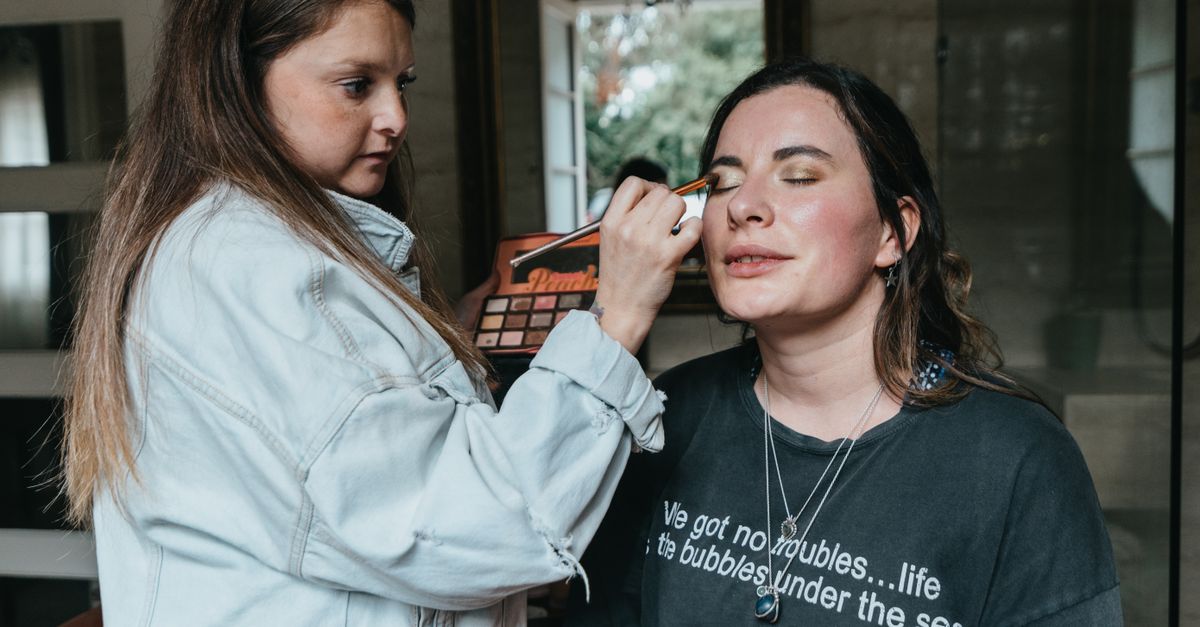
In the last weeks of November, you hear the same line at your makeup station again and again: “Could you show me how to do this? I can't come in every time.” Office parties, engagements and New Year's events pile up. Some clients book an appointment for each occasion, but many either try their luck at home or simply don't come in. While your December calendar fills up, the revenue behind that “could you show me” rarely gets recorded anywhere.
A personal makeup lesson turns that request into a structured service. The client learns a routine built for her own face and her own products; you gain a new revenue line from lesson fees, retail sales and the professional bookings that follow. Here's how to set it up, price it and run it without wrecking your busiest month.
Why now: the demand already exists
Makeup lessons are not about creating demand; they are about capturing demand you already have. Many event-makeup clients attend two or three events in the same month, and booking each one stretches their budget. A lesson offers a middle path: they still book you for the big night and use what they learned for the rest.
For the salon, this approach pays off in three ways:
- It fills quiet hours. Lessons can sit on weekday mornings rather than the evening and weekend slots where professional makeup demand peaks.
- It makes retail feel natural. Clients want to take home the foundation and brush the artist used on their own face. The product on the shelf becomes a continuation of the lesson, not a sales pitch.
- It builds trust. Clients tend to feel more loyal to a professional who taught them something than to one who simply provided a service.
Designing the lesson: single session or package?
A ninety-minute general talk rarely works: the client hears a lot and repeats almost none of it at home. Short, focused sessions work better.
A sample three-session package
- Analysis and daily routine (60 min): skin prep, choosing the right shade, a light daytime look. The artist does one half of the face, the client does the other.
- Eyes and evening makeup (60 min): an event look using the products in the client's own bag. Missing items go on a list.
- Review and correction (45 min): the client arrives wearing makeup she did at home, and the artist only corrects. This session shows whether the learning actually stuck.
A single “express lesson” can stay on the menu, but the package helps the client genuinely learn and secures the revenue upfront. In sysSalon you set this up as a multi-session package with a discounted price and split payments, and each session shows as used, scheduled or remaining on one screen. If a client misses a session, you mark it “Forfeited” or “No-show” (returned to the package) according to your salon policy, so the rule is clear from the start and there's nothing to argue about.
A personalised lesson plan with makeup analysis
The value of a lesson comes from being about the client's own face rather than generic training. Opening the first session with an analysis shows this from minute one. sysSalon's AI-assisted makeup analysis produces an assessment from the client's photo and delivers it as a PDF report; each analysis uses 1 AI credit. The report doesn't replace the artist's judgement, but it gives the conversation a concrete starting point, and the client goes home with a written summary.
When you save the analysis results, the products used and before-and-after photos on the client profile, you pick up with the same information in session three or at an event booking months later.
Tip: At the end of the first session, have the client take a selfie on her phone and add your own photo from the same angle to her client profile. Putting the two side by side in session three is the quickest way to show progress.
Pricing: a simple calculation
Price the lesson on the artist's cost per minute and the products used, not on your professional makeup price. Say, for example, that an artist costs the salon €40 per hour and each session uses €8 of consumables. If the three-session package takes 165 minutes in total, cost alone comes to about €110 + €24 = €134. Add your margin to set the package price, then set the single-session price clearly above a third of that, so the package looks like the genuine deal it is.
The bigger contribution often comes from outside the package itself:
| Revenue line | Example scenario |
|---|---|
| Package fee | 8 packages sold per month |
| Retail sales | Each student buys 2 products on average |
| Professional makeup | Half the students book one event application during the season |
In sysSalon, products are set up with price, cost and stock, and products used during the lesson are deducted from stock.
Calendar and staff: teaching without breaking the season
In December your makeup artist's evenings are already full. Squeezing lessons in there means losing higher-value event bookings. Block lesson times from the start:
- Group lessons on weekdays between 10:00 and 14:00, and keep evenings for professional makeup.
- If you have a separate light and mirror setup for lessons, define it in the calendar as its own room.
- Take a deposit for the first session; even with a prepaid package, a first-appointment deposit reduces no-show risk.
- Schedule all three sessions the moment the package is sold. Don't say “we'll call you.”
In sysSalon's drag-and-drop calendar, the room view lets you track the lesson table and the makeup chair separately and prevents double-booking the same room or the same artist. Booking several sessions in one go makes it easy to place all three package appointments at the point of sale.
Quick checklist
- Are the lesson content and timings written down?
- Do the package and single-session prices appear separately on your service menu?
- Are the products used in lessons set up in stock?
- Has the no-show policy (forfeited or returned) been explained to the client?
- Is every student's analysis report and photo set on their client profile?
Promote the lesson and close the season ahead
Your best promotional channel is your makeup chair. Throughout November, mention it to every event-makeup client: “If you'd like to do it yourself for the next party, we offer a three-session lesson.” On Instagram, half-face videos and “same look, two hands” comparisons (with the student's permission) work well. The lesson package also makes a good gift suggestion in your WhatsApp birthday greetings.
Makeup lessons capture demand that party season already creates, fill quiet hours and lift retail sales without any pushing. The keys are to package the lesson, personalise it with analysis and give it its own place in the calendar. If you'd like to run the service, package tracking and makeup analysis in one system, start with sysSalon's free plan today: no credit card needed, and 25 AI credits are added to your account. For a walkthrough tailored to your salon, request a demo or browse everything on the features page.
#makeup lessons #makeup analysis #session packages #retail sales #party season #new service