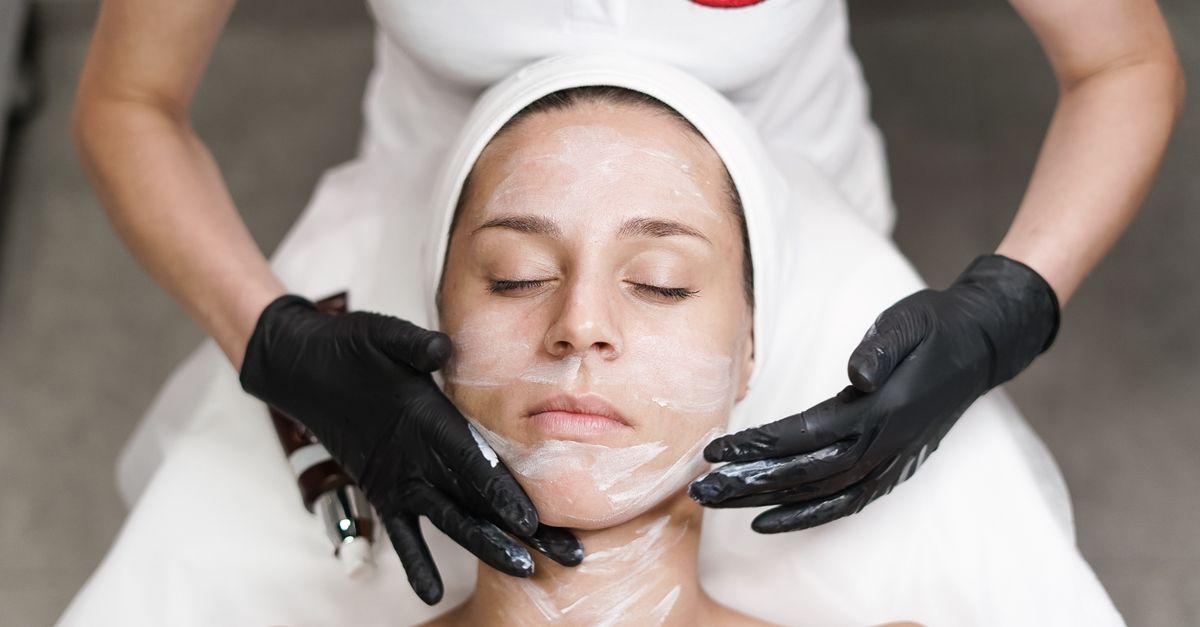
In the first week of October, clients in the treatment chair start saying the same things: "My skin feels tight", "My cheeks are flaking", "The marks from summer still haven't faded." Most salons give that client a lovely hydrating facial, she leaves happy, and her next visit might be three months away. Meanwhile central heating, cold wind and hot showers pull her skin straight back to where it started.
The seasonal switch is one of the most natural selling windows a salon gets each year. The client has a real problem, wants a solution and is ready to see results. When you offer a measurable, tracked course of treatments that starts with an analysis instead of a one-off facial, her skin genuinely improves and your November and December diary starts filling now. Here is how to build that plan step by step.
What happens to skin in October and November?
Explaining the problem in the client's own words builds trust before you propose anything. Most complaints this time of year fall into three groups:
- A weakened barrier: humidity drops and the heating goes on. Skin loses water, and tightness, redness and sensitivity increase.
- Summer sun damage: months outdoors surface as pigmentation and uneven tone, which clients usually notice in autumn.
- The wrong routine: the light gels and frequent exfoliation that worked in July dry the skin out further once it gets cold.
Lower UV levels also make these months a sensible time to begin peels and pigmentation-focused work. So the client needs both repair and renewal, and sequencing them correctly is where your expertise shows.
Start the course with an analysis
Telling a client "your skin looks dry" is very different from handing her a report that shows her skin type, tone and main concerns. The first is an opinion; the second is a baseline.
The AI-powered skin analysis in sysSalon assesses skin type, tone and concerns such as dryness, pigmentation and sensitivity from a single photo, and produces a PDF report. Each analysis uses 1 AI credit. You can go through the report together and build the case for the treatment plan directly from it.
At the first appointment
- Take a make-up-free photo in consistent light and from the same angle; your comparison three weeks later depends on it.
- Run the analysis, read the report with the client and agree on no more than two main goals.
- Ask about her home products, allergies and any sensitivities.
- Save the photo and notes to the client profile, so that even if a colleague does the next session, she can see the starting point.
The analysis is not a diagnosis. Referring clients with acne, eczema or a suspicious mark to a dermatologist strengthens your salon's credibility rather than weakening it.
A sample six-week winter transition course
The schedule below is an example for dry skin prone to pigmentation; adapt the content to your own protocols and product range.
| Week | Treatment | Goal |
|---|---|---|
| 1 | Analysis + deep hydration facial | Record the baseline, calm the barrier |
| 2 | Barrier-repair treatment | Reduce tightness and redness |
| 3 | Gentle peel + hydrating mask | Address dullness and dead skin |
| 4 | Follow-up analysis + pigmentation treatment | Show progress, adjust the goal |
| 6 | Pigmentation treatment + close-out | Lock in results, finalise the home routine |
Explaining this plan on paper isn't enough; put the sessions in the diary on day one. In the sysSalon appointment calendar you can book several sessions in one go and assign a therapist and room to each. The client leaves with all five appointments booked, and the chance of her drifting off after "I'll call you" drops sharply.
Price the package profitably and track every session
A course of treatments gains value in the client's eyes when it is presented as a package. When you set the price, look at the cost per session, not just the discount. For example:
- Single session: €80; five sessions booked separately: €400
- Package price: €340 (around 15% saving)
- Product cost per session: say €15, so €75 across the course
- What remains after therapist commission and fixed costs is the package's real profit.
In sysSalon you can define services with price, cost and duration, and have the products used in a treatment deducted from stock. The question "what did this package actually earn us?" stops being guesswork. Packages can be sold with a discount and paid in instalments, and every session is tracked as used, scheduled or remaining. If a client doesn't turn up, you can mark the session as forfeited or as a no-show that is returned to her balance, depending on your policy. Stating that rule clearly at the point of sale avoids arguments later.
Tip: take the first instalment or a deposit when the package is sold. A client who has already paid is far less likely to postpone her second session.
Why the week-four review matters
Halfway through a course, clients rarely notice the change, because they look at their skin every day. Taking a new photo in the same light in week four and repeating the analysis lets you put it side by side with the first report. If tightness has eased and tone looks more even, the client sees it for herself. If progress is slower than expected, it's the right moment to adjust the plan.
The comparison also makes home-care recommendations feel natural. Instead of a sales push, you can say: "Dryness still stands out in your report, so I'd add a barrier cream to your evening routine." That is far more convincing.
End-of-course checklist
- Are the before and after photos saved on the client profile?
- Has she been given her home routine in writing?
- Are any sessions unused, and has the reason been noted?
- Have you discussed her first appointment for the next seasonal change?
Turn this season into steady client flow
The move into winter is when clients see real changes in their skin and actively look for help. A course that starts with an analysis, is booked into the diary upfront, has its costs worked out and is measured in week four turns a single facial into a six-week relationship. The client sees results, and you head into November and December with a full book.
To try skin analysis, multi-session package tracking and client profiles in one place, start sysSalon on the free plan today. No credit card is required, and the plan includes 25 AI credits. You can explore everything on the features page or get in touch for a demo tailored to your salon.
Cover photo: Denys Mikhalevych / Pexels
#skin care #skin analysis #winter skin #treatment packages #facials