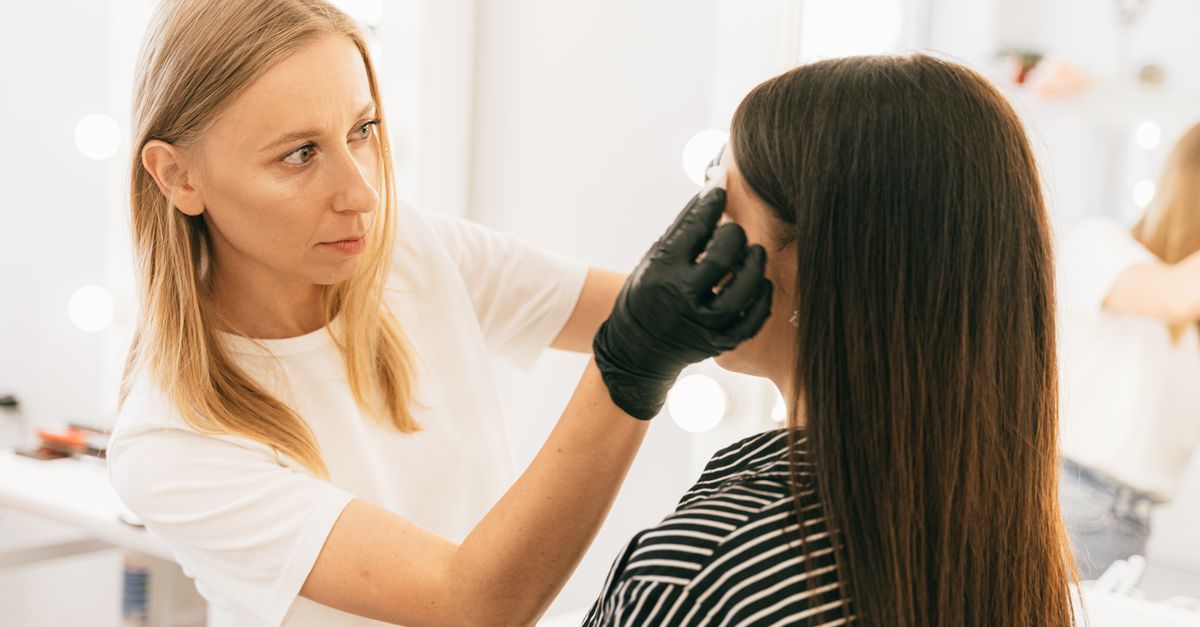
A client comes in for a facial. Your therapist says, "Your skin is losing moisture, I'd recommend this serum." The client smiles, says "I'll think about it," and the serum stays on the shelf. The same scene plays out every week with aftercare products following a colour, with keratin treatments and with skincare courses. Most of the time the recommendation isn't wrong. The client simply can't see why they should believe it.
Photo-based skin and hair analysis closes that gap. The recommendation stops being the therapist's word against the client's doubt and becomes a conversation built on the client's own photo. Below is a practical workflow that strengthens your consultations without turning them into pressure.
Why recommendations sound like selling
When clients sit in your chair, they weigh two things: the professional's knowledge and their intent. They usually trust the knowledge. The intent is less clear. "Is she suggesting this because I need it, or because of her commission?" Nobody asks that out loud, but it decides the outcome.
Trust tends to break down when:
- The recommendation arrives in the first five minutes, before the client has explained what bothers them.
- Every client hears about the same product or the same package.
- The professional uses technical terms the client doesn't fully follow.
- Results are never measured, so even a client who buys can't tell whether it worked.
The first visit: a 10-minute analysis workflow
Position the analysis as the first step of the consultation, not a gimmick tacked on at the end. This sequence works well in practice:
- Short intake chat: Ask about the client's home routine, the products they use and what bothers them most. Take notes.
- Consent and photo: Ask permission before taking a photo. A bare face or washed and dried hair, soft light close to daylight without harsh shadows, and a plain background are all you need.
- Analysis: In sysSalon, AI analyses the photo for skin (type, tone and key concerns), hair (type and condition) or makeup, and the result can be exported as a PDF report.
- Read it together: Turn the screen towards the client. The report is the evidence behind the story you're about to tell.
- Record: Add the photo and a short note to the client profile so you can pick up from here next time.
One firm boundary: analysis results are not a medical diagnosis, so refer clients with persistent redness, wounds or sudden hair loss to a dermatologist. Saying this openly doesn't weaken trust; it strengthens it.
Explaining results in plain language
An analysis is only as valuable as the client's understanding of it. Instead of reading the report line by line, use a three-sentence rule:
- What we see: "There's some oiliness in your T-zone and dryness on your cheeks."
- What it means: "So your skin is combination, and one product may not suit both areas."
- What we can do: "There are two options; let's decide together which fits your routine."
Build a small glossary with your team to translate report language into everyday words:
| In the report | What to tell the client |
|---|---|
| Dehydration | Your skin struggles to hold water, which is where that tight feeling comes from. |
| Hyperpigmentation | Dark spots left by sun exposure and old breakouts. |
| Damaged ends | The ends have started to break, so a trim and a care plan go together. |
| High porosity | Your hair absorbs moisture quickly and loses it just as fast. |
Tip: Start with a strength. A conversation that opens with "Your skin tone is really even" makes the concerns that follow sound like information, not criticism.
Personalised care and treatment plans
The most common mistake after an analysis is recommending a separate product for every finding. A client who hears five suggestions usually buys none. Pick the one or two most visible concerns and tier your recommendation by budget and time:
- Start at home: One product with simple instructions.
- In-salon boost: A single treatment session.
- Ongoing programme: A multi-session package at set intervals.
Letting the client choose removes the pressure. Say you see 40 new facial clients a month and 4 of them currently move on to a package. If an analysis-backed consultation with clear options lifts that to 8, a 6-session package means 24 extra sessions a month, already booked into your calendar.
Once a package is sold, tracking matters too. In sysSalon, multi-session packages can be sold with discounts and instalment payments, and every session is tracked as used, scheduled or remaining. Answering "How many sessions do I have left?" in seconds is part of earning trust.
Before and after: making progress visible
What brings a client back for the next package or a product refill is seeing the result for themselves. People who look in the mirror every day miss gradual change; put two photos side by side and the difference is obvious.
Checklist for consistent comparisons
- Same lighting, angle and distance every time.
- Skin free of makeup and product; hair in the same washed and dried state.
- An analysis at the start, middle and end of a programme (for example weeks 0, 4 and 8).
- Each PDF report and photo saved with its date on the client profile.
- Honest feedback on what hasn't changed, too.
That last point matters more than it seems. A therapist who says "The pigmentation has faded noticeably, but the dryness is still there; let's look at your home routine together" is far more credible than one who presents everything as perfect.
Building trust without pushing the sale
Analysis is a powerful tool, and misused it can become a more sophisticated form of sales pressure. Agree on these principles with your team:
- Listen first: The client's concern comes before the analysis. The analysis exists to answer their question.
- Offer a genuine "no": "You don't need to buy anything today. Take the report home and think it over." This rarely kills a sale; it usually just postpones it.
- Give the report away: Sharing the PDF shows the consultation has value on its own, whether or not they buy.
- Know your limits: Refer anything that looks medical. That is proof of professionalism.
- Base advice on findings, not margins: Recommendations should follow the analysis and client notes, not which product pays best.
When these principles are in place, clients remember the analysis as care, not a sales trick. That is the real reason they come back.
Put analysis at the centre of your consultations
Photo-based analysis gives your advice visible evidence: clients understand what they see, choose the option that suits them and follow their progress through before-and-after photos. The outcome is less persuading and more trust.
In sysSalon, each analysis uses 1 AI credit, and analyses run on sysSalon's own servers. The free plan includes 25 AI credits, with no time limit and no credit card required. Start with the free plan today, explore every module on the features page, or request a demo tailored to your salon.
Cover photo: Antoni Shkraba / Pexels
#skin analysis #hair analysis #client consultation #retail sales #before and after